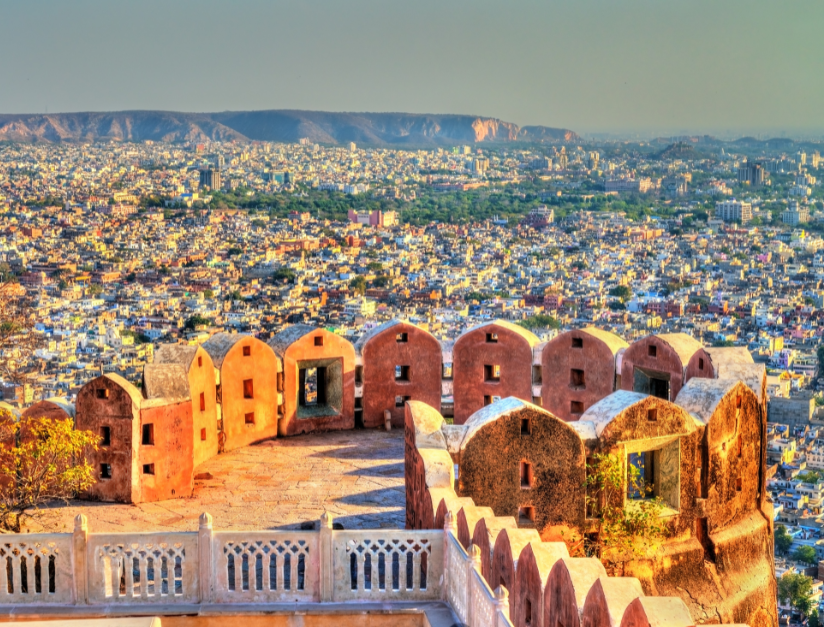
Rajasthan is famously known as the “Land of Kings”, a title that reflects its rich royal history, powerful rulers, and majestic architecture. This name is not symbolic or modern—it is deeply connected to centuries of monarchy, bravery, and cultural pride. Even today, when you travel across Rajasthan, you can feel the royal presence in its forts, palaces, traditions, and festivals.
To understand why Rajasthan earned this title, we must look at its history, rulers, and lasting royal influence.
Meaning and Origin of the Name Rajasthan
The word Rajasthan comes from two Sanskrit words:
- Raja – King
- Sthan – Place
Together, Rajasthan literally means “the place of kings.”
Earlier, the region was known as Rajputana, meaning the land of the Rajputs. The Rajputs were a powerful warrior clan known for courage, honor, and loyalty. They ruled this region for centuries and established many independent kingdoms.
Because Rajasthan was ruled by numerous kings at the same time, the region naturally became known as the Land of Kings.
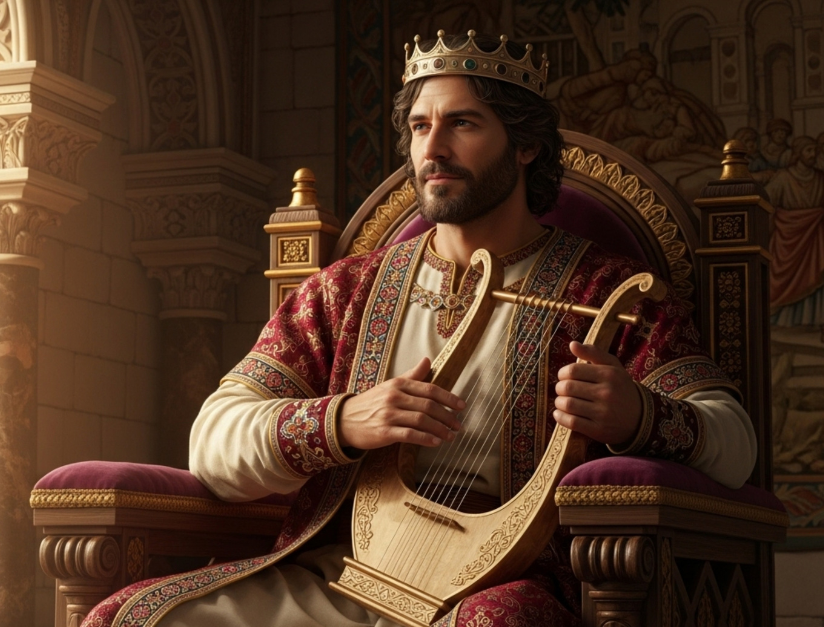
Rule of Rajput Kings and Royal Kingdoms
Rajasthan was never a single empire. Instead, it was made up of many royal states, each ruled by its own king. These kingdoms included famous cities such as:
- Jaipur
- Jodhpur
- Udaipur
- Jaisalmer
- Bikaner
Each kingdom had its own army, administration, customs, and royal court. These kings defended their lands fiercely against invasions and valued independence above everything else. Their strong leadership and continuous rule strengthened Rajasthan’s royal identity.
Magnificent Forts and Palaces
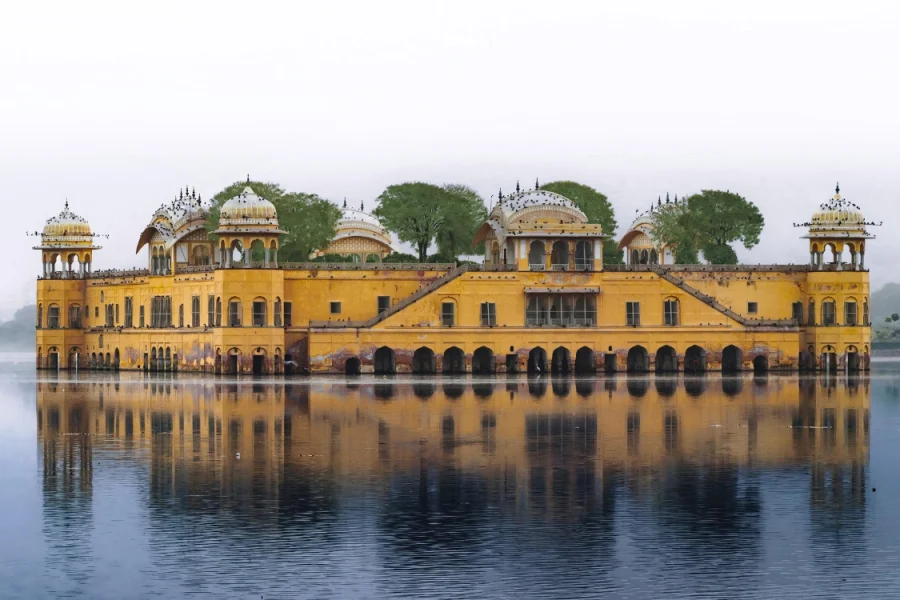
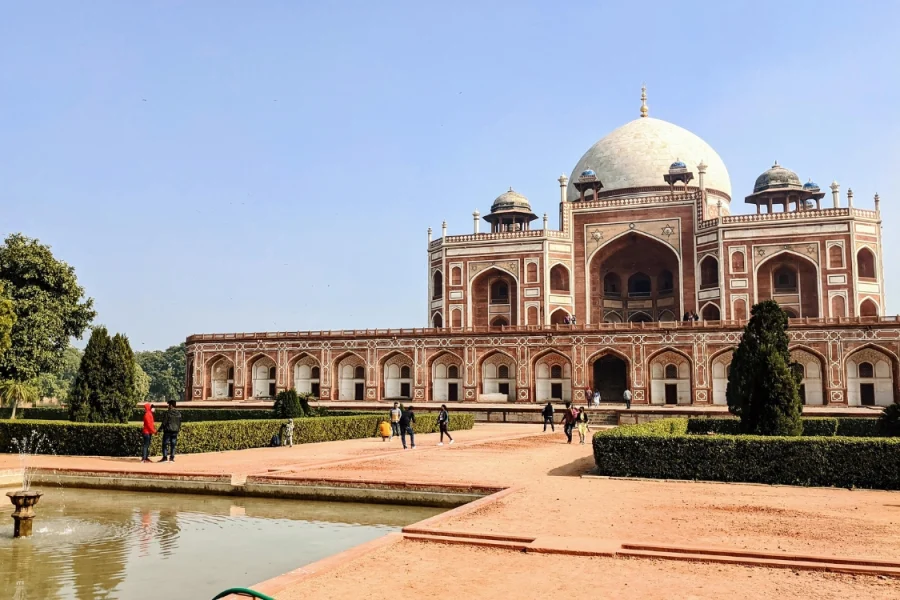
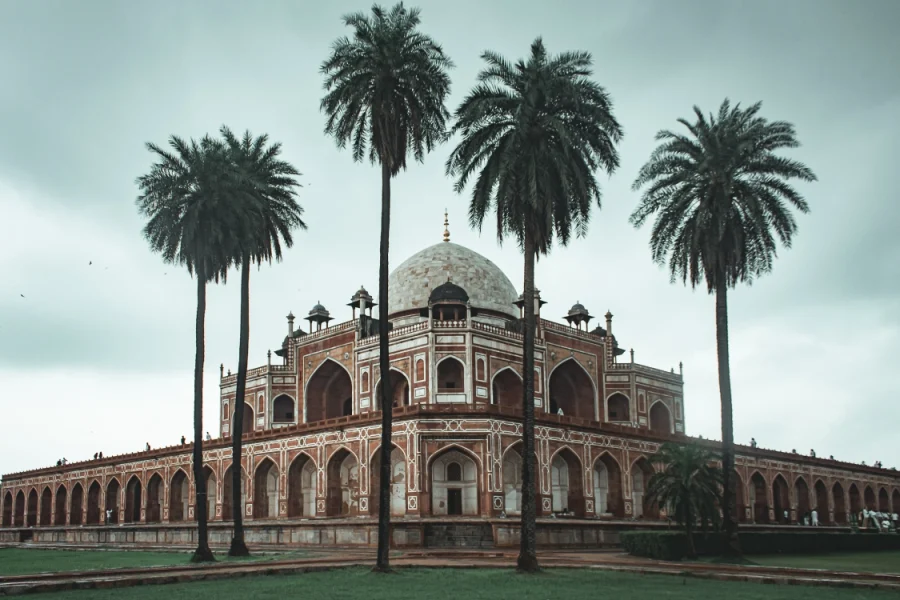
One of the strongest reasons Rajasthan is called the Land of Kings is its royal architecture. The state is home to some of the grandest forts and palaces in India, built to showcase power, protection, and prestige.
Famous royal structures include:
- Amber Fort in Jaipur
- Mehrangarh Fort in Jodhpur
- City Palace in Udaipur
- Jaisalmer Fort
- Chittorgarh Fort
These were not just residences; they were symbols of royal authority. Built on hills, deserts, and strategic locations, they reflect the strength and vision of the kings who ruled Rajasthan.
Bravery, Honor, and Warrior Culture
Rajasthan’s kings were not only rulers but also fearless warriors. Rajput history is filled with stories of courage, sacrifice, and honor. Kings preferred death over surrender and followed strict codes of dignity and self-respect.
Historic battles fought by Rajput kings against foreign invaders helped preserve their independence for centuries. Traditions like Jauhar and Saka symbolize the extreme value placed on honor and bravery. This warrior culture played a major role in shaping Rajasthan’s identity as a land ruled by powerful kings.
Royal Lifestyle and Cultural Patronage
Rajasthan’s kings lived a life of royal grandeur but also supported art, music, and learning. Royal courts became centers of creativity where painters, musicians, poets, and craftsmen were encouraged.
This patronage gave rise to:
- Classical and folk music
- Traditional dance forms
- Miniature paintings
- Handicrafts and textiles
Even today, Rajasthan’s culture reflects this royal influence, making the state culturally rich and unique.
Royal Traditions Still Alive Today
Although India became a republic in 1950 and monarchy ended officially, many royal families in Rajasthan still exist. While they no longer rule, they continue to preserve royal traditions and heritage.
Several palaces have been converted into:
- Heritage hotels
- Museums
- Cultural venues
This allows visitors to experience royal living firsthand, keeping the spirit of kingship alive in modern Rajasthan.
Festivals That Celebrate Royal Heritage
Rajasthan’s festivals are deeply connected to its royal past. Events like the Mewar Festival, Gangaur, Teej, and Desert Festival celebrate traditions that originated in royal courts.
Royal processions, colorful attire, folk performances, and ceremonies during these festivals remind people of the glorious past when kings ruled the land.
Why Rajasthan Is Still Called the Land of Kings
Rajasthan continues to be called the Land of Kings because:
- It was ruled by multiple royal dynasties
- Kings shaped its culture, architecture, and traditions
- Forts and palaces dominate the landscape
- Royal customs are still preserved
Even without kings on the throne, Rajasthan carries its royal legacy with pride.
Conclusion
Rajasthan is called the Land of Kings because its history is deeply rooted in monarchy, bravery, and royal heritage. From majestic forts and palaces to rich traditions and festivals, everything about Rajasthan reflects the legacy of its kings.
This powerful royal past makes Rajasthan one of the most historically significant and culturally vibrant regions in India—a land where the stories of kings continue to live on through architecture, culture, and tradition.

FAQs – Why Rajasthan Is Called the Land of Kings
1. Why is Rajasthan known as the Land of Kings?
Rajasthan is called the Land of Kings because it was ruled by many powerful Rajput kings who governed independent kingdoms for centuries.
2. What does the word Rajasthan mean?
The word Rajasthan comes from Sanskrit, where Raja means king and Sthan means place, meaning “the place of kings.”
3. Who were the Rajputs of Rajasthan?
Rajputs were warrior clans known for bravery, honor, and loyalty. They ruled most parts of Rajasthan and built strong royal kingdoms.
4. What was Rajasthan called before independence?
Before independence, Rajasthan was known as Rajputana, meaning the land of the Rajputs.
5. Which cities in Rajasthan were ruled by kings?
Cities like Jaipur, Jodhpur, Udaipur, Jaisalmer, and Bikaner were major royal states.
6. Why are there so many forts and palaces in Rajasthan?
Rajasthan has many forts and palaces because kings built them for protection, administration, and royal living.
7. Are there still royal families in Rajasthan today?
Yes, many royal families still exist today. Although they no longer rule, they preserve traditions and heritage.
8. How did Rajput kings protect their kingdoms?
Rajput kings built massive forts, maintained strong armies, and followed strict codes of honor to protect their lands.
9. What role did kings play in Rajasthan’s culture?
Kings supported art, music, dance, architecture, and crafts, which helped create Rajasthan’s rich cultural heritage.
10. Do Rajasthan festivals reflect royal traditions?
Yes, many festivals like Gangaur, Teej, and the Mewar Festival are deeply connected to royal customs and court traditions.
11. Is Rajasthan still called the Land of Kings today?
Yes, Rajasthan is still called the Land of Kings because its royal history, forts, palaces, and traditions are still visible.
12. Why is Rajasthan important in Indian history?
Rajasthan is important because its kings defended their independence, preserved culture, and shaped India’s architectural heritage.
13. What makes Rajasthan different from other Indian states?
Rajasthan stands out for its royal legacy, warrior history, desert landscapes, and preserved palace culture.
14. Can tourists experience royal life in Rajasthan?
Yes, many palaces have been converted into heritage hotels and museums where tourists can experience royal living.
15. Is the title “Land of Kings” still relevant today?
Yes, because Rajasthan’s identity, architecture, and traditions continue to reflect the legacy of its kings