Many people visit the same destinations, but their experiences feel completely different. Some deal with long lines, heavy crowds and delays, while others move smoothly, enjoy peaceful views and explore comfortably.
The difference often comes down to timing.
Experienced travelers don’t rely on luck. They follow specific timing strategies that help them avoid peak congestion and get a better overall experience. These timing tricks are simple, but they make a huge impact.
Here are the most effective hidden timing tricks used by smart travellers.
1. They Start Earlier Than Most People
One of the most powerful travel advantages is starting early.
Most tourists begin their day between 8:00 AM and 10:00 AM. Experienced travellers arrive much earlier — often around sunrise or when attractions first open.
This gives them:
- Fewer people around
- Better lighting for photography
- Cooler and more comfortable weather
- Faster entry without waiting
The first one to two hours of the day are usually the calmest at most tourist places.

2. They Avoid Weekends Whenever Possible
Weekends naturally attract more local visitors, which increases overall crowd levels.
Experienced travellers prefer:
- Monday to Thursday visits
- Mid-week sightseeing
- Flexible travel dates instead of fixed weekend trips
Even the same destination can feel completely different depending on the day of the week.
3. They Visit Popular Attractions During “Transition Hours”
Most tourists follow predictable timing patterns:
- Late morning: peak arrival
- Afternoon: highest crowd
- Evening: second peak
Experienced travellers choose transition periods instead, such as:
- Early morning
- Late afternoon before closing
- Lunch hours when others are eating
These hours often offer more breathing space.

4. They Travel During Shoulder Seasons
Instead of peak season, smart travellers choose the shoulder season — the period between peak and off-season.
Benefits include:
- Moderate weather
- Lower crowd levels
- Better hotel availability
- More relaxed sightseeing
This timing offers a balance between comfort and convenience.
5. They Stay Close to Key Attractions
Location affects timing flexibility.
Travellers who stay near important attractions can:
- Reach early without long commutes
- Avoid traffic delays
- Visit at quieter times
Those staying far away often arrive later along with the main crowd.
6. They Plan Their Day Around Crowd Flow, Not Just Location
Most tourists plan based on place. Experienced travellers plan based on timing.
For example:
- Visit outdoor attractions early
- Visit indoor places during peak heat
- Explore busy markets during quieter hours
This approach improves comfort and efficiency.
7. They Avoid Peak Entry Windows
Many attractions have peak entry times.
Experienced travellers either:
- Enter immediately after opening
- Or visit later when the first crowd leaves
Avoiding the middle peak period makes movement easier.
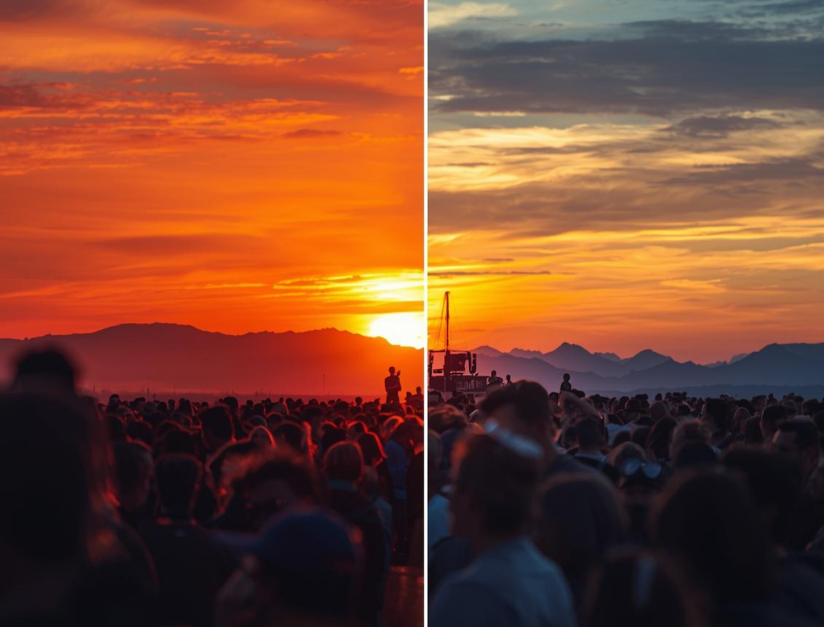
8. They Use Sunrise and Sunset Strategically
Sunrise and sunset are not just beautiful — they are practical timing tools.
Advantages include:
- Lower crowd concentration
- Comfortable temperatures
- Better travel atmosphere
These periods often offer the most peaceful experience.
9. They Add Buffer Time Between Activities
Inexperienced travellers schedule tightly packed itineraries.
Experienced travellers allow buffer time because:
- Travel delays are common
- Traffic conditions change
- Extra time reduces stress
Flexible timing makes travel smoother.
10. They Observe Local Activity Patterns
Each destination has its own rhythm.
Experienced travellers notice:
- When locals start their day
- When streets become busy
- When activity slows down
This observation helps them choose the best time to explore.

Why Timing Is More Important Than Destination
Many travel problems are not caused by the place itself but by poor timing.
The same location can feel:
- Crowded and stressful at one time
- Calm and enjoyable at another
Timing shapes the entire experience.
Final Thoughts
Experienced travellers do not necessarily visit different destinations — they visit the same places at smarter times.
By starting early, avoiding peak periods, choosing the right days and allowing flexibility, they turn ordinary trips into smooth and memorable experiences.
These timing tricks are simple to follow, but they can completely change how travel feels.
Instead of fighting crowds and delays, you move with the natural rhythm of the destination — and that makes travel far more enjoyable.
FAQS
The best time is usually early morning when attractions open or late afternoon before closing. These hours have fewer visitors compared to late morning and midday peak periods.
Weekdays have lower tourist and local visitor volume, which means shorter queues, easier movement and a more peaceful travel experience compared to weekends.
Shoulder season is the period between peak and off-season. It offers balanced weather, fewer crowds and better hotel availability, making it ideal for comfortable travel.
Staying close to major attractions allows travelers to arrive early, avoid traffic and visit during less crowded hours, improving overall efficiency.
Sunrise offers less crowd, comfortable weather and better natural lighting, making sightseeing and photography more enjoyable.
Choosing the right timing helps avoid long queues, traffic congestion and delays, allowing travelers to explore more places efficiently.
Yes, late afternoon can be less crowded because many tourists leave after completing their main sightseeing earlier in the day.
Yes, they plan based on crowd patterns, weather timing and activity flow, not just location. This helps create a smoother and more relaxed travel experience.