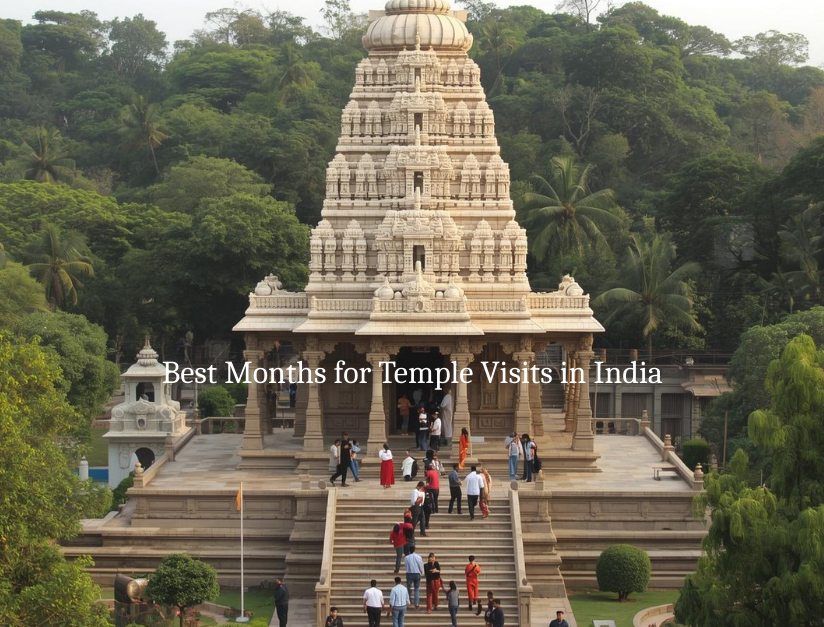
India is one of the most important spiritual destinations in the world, home to thousands of temples dedicated to different deities and traditions. Many travellers and pilgrims visit these temples throughout the year, but choosing the right time can make the experience more comfortable and meaningful.
Weather conditions, temple festivals, and travel convenience often influence the best months for temple visits in India. Understanding these factors helps travellers plan their pilgrimage or spiritual journey better.
October to March – The Best Overall Season
For most temple destinations in India, the period between October and March is considered the most comfortable time to travel. During these months, the weather is cooler and pleasant across many regions of the country.
Pilgrims visiting places like Kashi Vishwanath Temple in Varanasi often prefer this season because walking around temple areas and ghats becomes easier in cooler temperatures.
This season is also suitable for visiting temples in Rajasthan, Gujarat, and North India where summers can be extremely hot.
Advantages of visiting during October–March:
- Comfortable weather for long temple visits
- Easier travel between cities
- Pleasant conditions for outdoor exploration
Because of these benefits, this season is often considered the peak pilgrimage period.

April to June – Early Morning Visits Are Better
The months from April to June bring summer across many parts of India. In northern and western regions, temperatures can rise significantly during the day.
However, temple visits are still possible if travellers plan carefully. Visiting temples early in the morning or late in the evening helps avoid intense heat.
Temples in South India such as Meenakshi Amman Temple remain popular during summer because many temples there have large covered complexes that provide shade.
Travel tips for summer temple visits:
- Visit temples during early morning hours
- Carry water and light clothing
- Avoid long midday walks
July to September – Monsoon Travel
The monsoon season brings rain to many parts of India between July and September. While heavy rainfall can affect travel plans in some areas, many temple towns become more peaceful during this period due to fewer crowds.
In some regions, the surrounding landscapes become greener and more scenic during monsoon.
However, travellers should check weather conditions before visiting temples located in hilly or flood-prone areas.
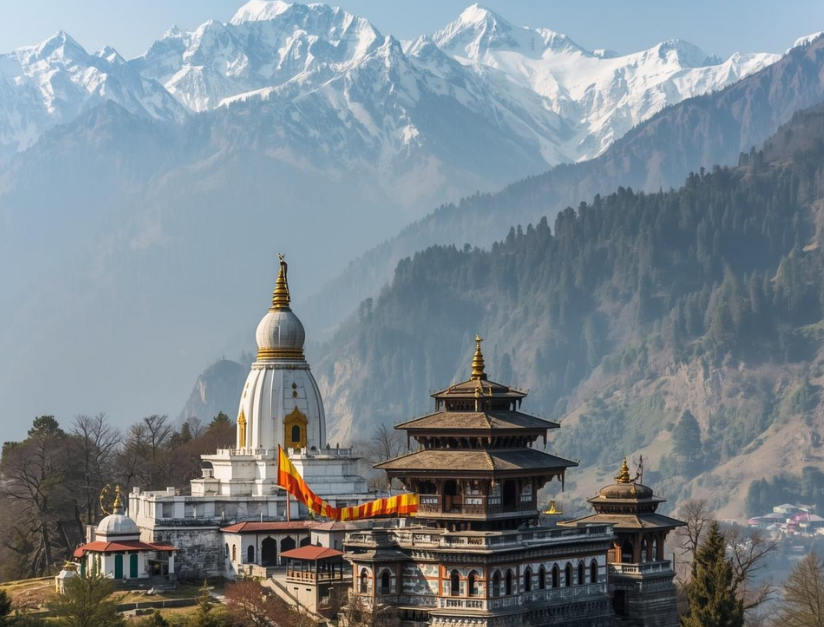
Best Months for Himalayan Temples
Temples located in the Himalayan region have a different visiting season because of cold weather and snowfall.
For example, Badrinath Temple and other Himalayan pilgrimage sites usually open for visitors only between May and October.
During winter, these temples remain closed due to heavy snow.
Because of this, pilgrims planning a Char Dham journey must visit during the summer and early autumn months.
Festival Seasons for Temple Visits
Temple visits during festival seasons can provide a unique spiritual experience. Major festivals often attract large numbers of devotees and create vibrant cultural celebrations.
Examples include:
- Rath Yatra at Jagannath Temple
- Maha Shivaratri at Shiva temples
- Navratri celebrations in many temple cities
While festivals bring energy and devotion, they also bring large crowds, so planning ahead is important.
Tips for Planning Temple Visits in India
To make your temple journey smooth and meaningful, consider these practical tips:
- Visit early in the morning when temples are less crowded
- Follow temple dress codes and customs
- Check temple opening times before arrival
- Plan travel during comfortable weather months
These small preparations can significantly improve the overall experience.
Final Thoughts
India offers countless opportunities for spiritual exploration through its temples. Choosing the right months for visiting these sacred places helps travellers enjoy both comfort and meaningful cultural experiences.
For most temple destinations, the months between October and March provide the best balance of weather and accessibility. However, Himalayan temples have their own seasonal schedule, and festival times can offer unique spiritual moments.
By planning carefully and respecting local traditions, visitors can experience the deep spiritual atmosphere that makes temple journeys in India truly special.
FAQS
The best time for temple visits in most parts of India is October to March, when the weather is cooler and more comfortable for travel.
Temples in North India, including Kashi Vishwanath Temple, are best visited between October and March.
Temples like Badrinath Temple usually open between May and October because winter snowfall makes travel difficult.
Summer visits are possible, but it is recommended to visit temples early in the morning or evening due to higher temperatures.
Major festivals such as Maha Shivaratri, Navratri, and Rath Yatra at Jagannath Temple attract large numbers of devotees.
Most temples remain open all year, but some Himalayan temples close during winter due to snow.
Winter months offer pleasant weather and comfortable travel conditions, making temple visits easier.
Visitors should wear modest clothing, remove shoes before entering, and respect temple customs and rituals.