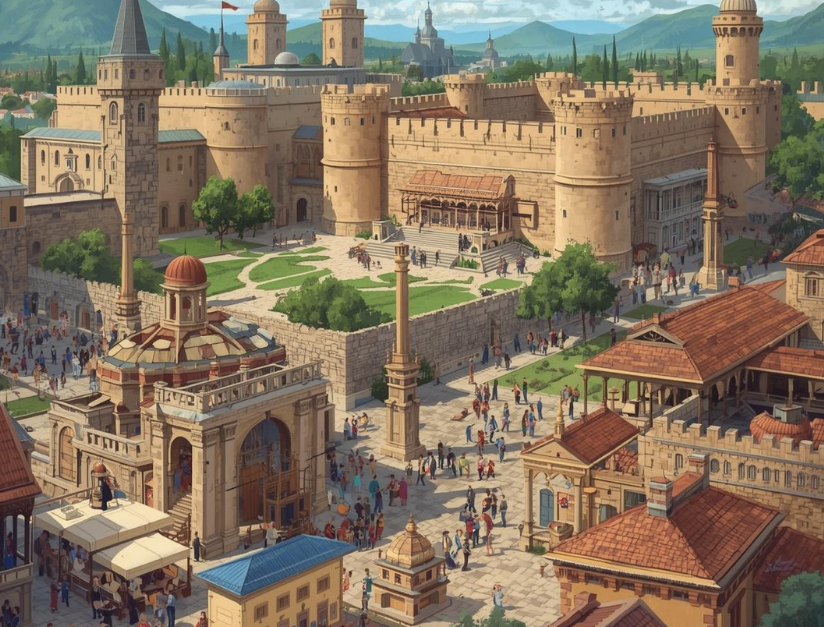
Fort cities hold a special place in the world of travel. These destinations combine historical architecture, stories of ancient kingdoms, and cultural heritage that has survived for centuries. For travelers who enjoy learning about the past, fort cities offer a unique opportunity to explore how civilizations once lived, fought battles, and built powerful kingdoms.
Cities such as Jodhpur, Jaipur, and Jaisalmer are well known for their impressive forts that dominate the skyline. These structures are not only architectural landmarks but also historical records that tell stories of bravery, strategy, and royal lifestyles.
Let’s explore why fort cities attract so many history lovers from around the world.
1. Forts Tell Stories of Ancient Kingdoms
Forts were once the center of political and military power. Rulers used them as royal residences and defensive structures against invading armies. Walking through a historic fort allows visitors to imagine how life might have been centuries ago.
For example, Mehrangarh Fort in Jodhpur reveals the strength and architectural brilliance of the Rajput rulers. Its massive walls, courtyards, and palaces provide insight into royal life and military planning.
History enthusiasts enjoy exploring these places because they offer a direct connection to past civilizations.
2. Unique Architecture Reflects Historical Eras
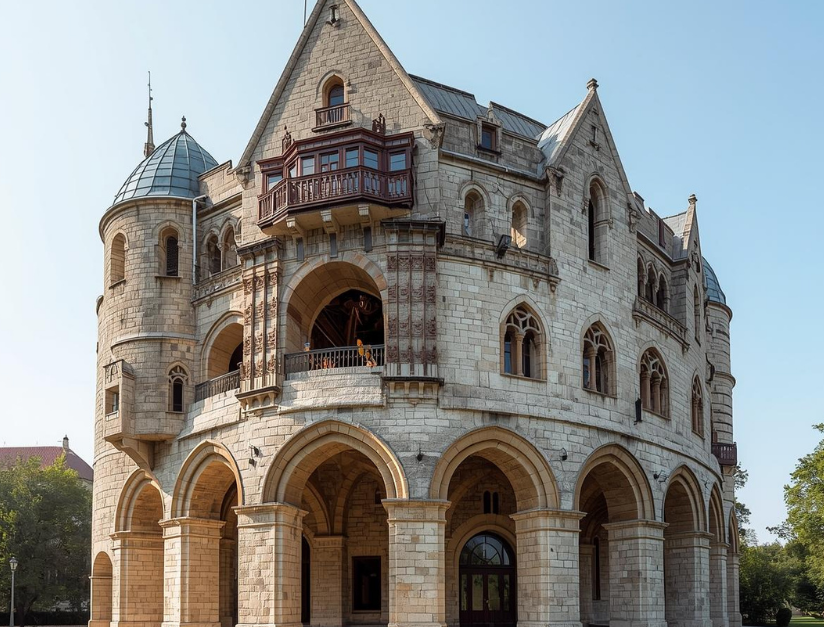
Each fort reflects the architectural style of the period in which it was built. The design, materials, and layout reveal how builders adapted to geography, climate, and defense needs.
For example, Amer Fort combines Rajput and Mughal architectural influences. Its decorative gates, mirror palaces, and royal courtyards demonstrate the artistic creativity of its time.
Studying these architectural details helps visitors understand how historical societies developed their own construction techniques and artistic styles.
3. Fort Cities Preserve Cultural Heritage
Fort cities are not just about monuments. They often include historic streets, traditional markets, temples, and local communities that have existed for generations.
In places like Jaisalmer, the famous Jaisalmer Fort still contains houses, shops, and temples where people continue to live and work. This living heritage allows travellers to experience history as part of daily life.
Such cultural continuity makes fort cities especially interesting for travellers who want to explore authentic traditions.
4. Strategic Locations Reveal Military Planning
Most forts were built in strategic locations such as hilltops, desert landscapes, or riverbanks. These positions allowed rulers to monitor their surroundings and defend their territory more effectively.
For example, Chittorgarh Fort stands on a massive hilltop and covers a large area. Its location made it extremely difficult for enemies to attack.
Exploring these sites helps visitors understand how geography influenced historical warfare and city planning.
5. Forts Provide Spectacular Views
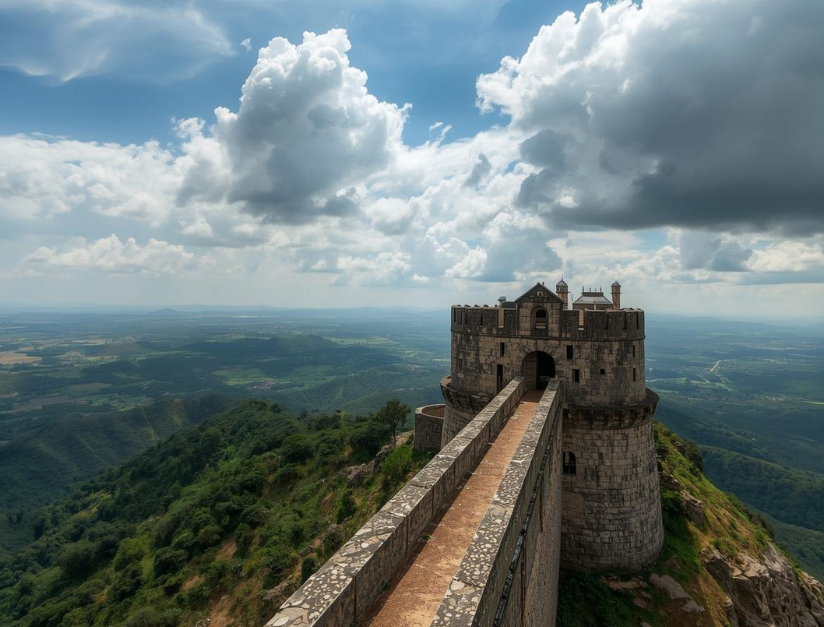
In addition to their historical significance, many forts offer stunning panoramic views of surrounding landscapes. Because they were built in elevated locations, they provide excellent viewpoints for travellers and photographers.
From the top of Mehrangarh Fort, visitors can see the famous blue houses of Jodhpur. Similarly, hilltop forts in Rajasthan overlook lakes, deserts, and entire cities.
These views add another dimension to the historical experience.
6. Fort Cities Are Rich in Legends and Stories
Many forts are associated with fascinating legends, heroic battles, and royal traditions. Stories of bravery, sacrifice, and power struggles are deeply connected with these places.
For example, Chittorgarh Fort is famous for stories of Rajput courage and historic battles fought to protect the kingdom.
These narratives make fort cities feel alive with history.
Best Time to Explore Fort Cities
The best time to visit fort cities in regions like Rajasthan is from October to March, when the weather is cooler and comfortable for walking through large fort complexes.
Early morning or late afternoon visits are especially enjoyable because the sunlight enhances the beauty of historic architecture.
Final Thoughts
Fort cities offer a powerful combination of history, architecture, and cultural heritage. For history lovers, they provide an immersive experience where ancient stories and historic structures come together.
Exploring these cities allows travellers to understand how kingdoms once functioned, how architecture evolved, and how traditions have survived over centuries. This deep connection with the past is what makes fort cities so fascinating for history enthusiasts.
FAQS
A fort city is a place where a major historical fort forms the center of the city’s history and architecture, such as Jodhpur or Jaisalmer.
Fort cities preserve ancient architecture, royal palaces, and historic stories that help travellers understand the culture and history of past kingdoms.
Some well-known fort cities include Jaipur, Jodhpur, and Jaisalmer.
Visitors often explore forts like Mehrangarh Fort, Amer Fort, and Chittorgarh Fort.
Rajasthan has a long history of Rajput kingdoms, and many rulers built massive forts for defense, administration, and royal residence.
The best time to visit is between October and March, when the weather is pleasant for sightseeing.
Yes, fort cities attract travellers interested in history, architecture, and cultural heritage.
Visitors can learn about ancient architecture, royal traditions, historic battles, and cultural heritage connected with these forts.