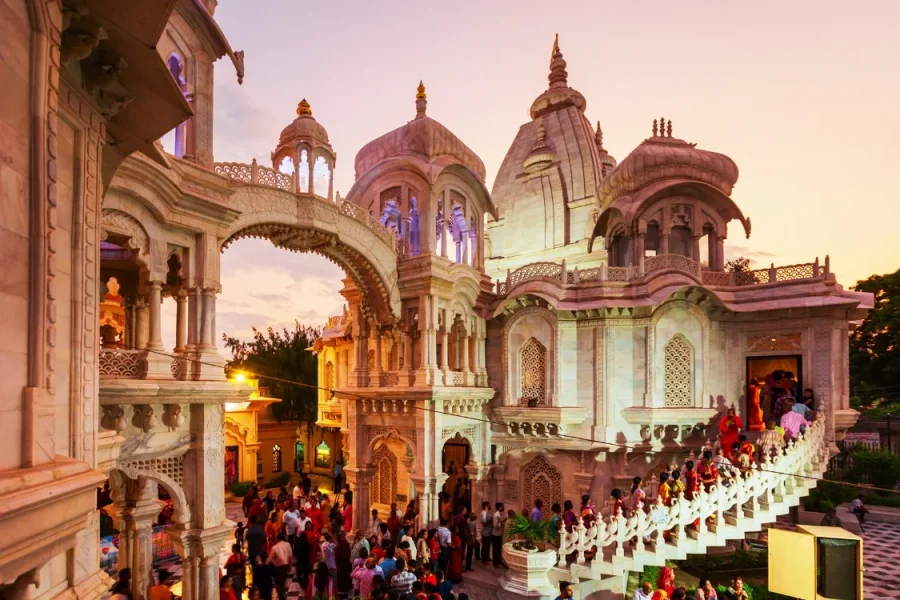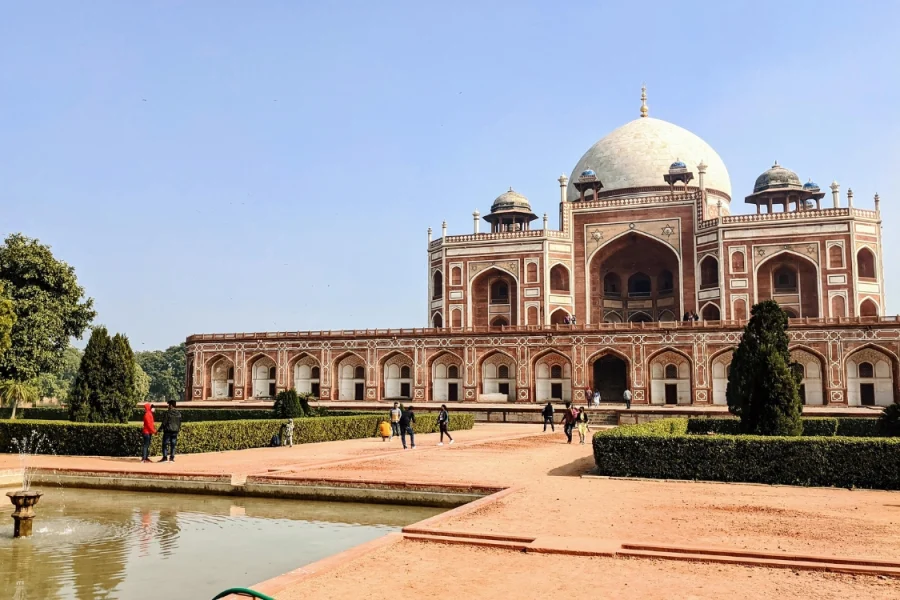
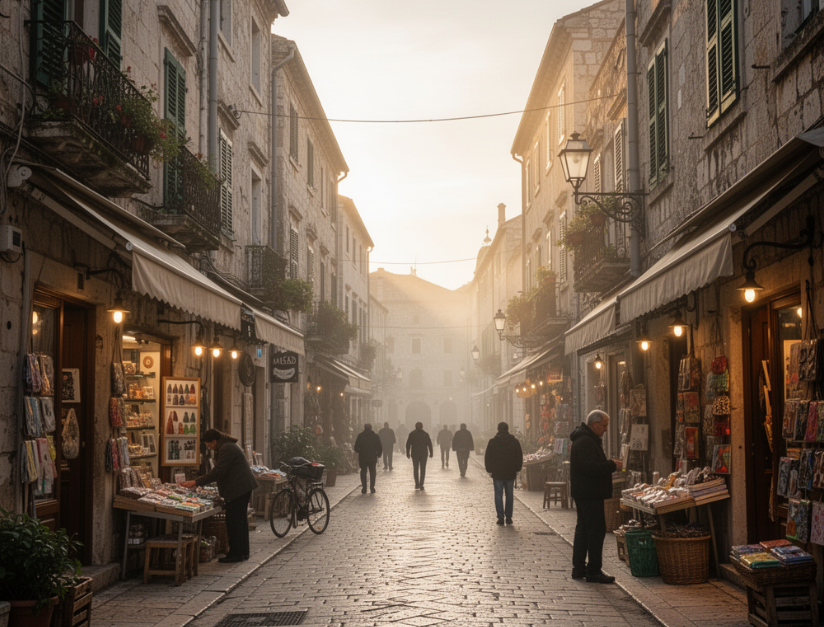
Old city areas are the heart of many historic destinations. These neighborhoods are filled with narrow streets, traditional architecture, local markets, temples, and everyday life that reflects the true character of a place. Walking through old city lanes allows travelers to experience history, culture, and local traditions more closely.
However, the timing of your walk plays a huge role in shaping your experience. Choosing the right time of day can make your exploration peaceful, comfortable, and memorable.
Let’s explore the best time to walk in old city areas and why timing matters.
Early Morning: The Most Peaceful Experience
Early morning is often considered the best time to walk through old city areas. At this time, the streets are quieter, the air is fresh, and the atmosphere feels calm.
Benefits of walking in the morning include:
- Fewer crowds
- Comfortable temperatures
- Clear view of architecture
- Better photography lighting
Many locals begin their day early, so you may also see small shops opening and morning routines starting.
This time gives travellers a more authentic experience.
Late Afternoon: A Comfortable Time to Explore
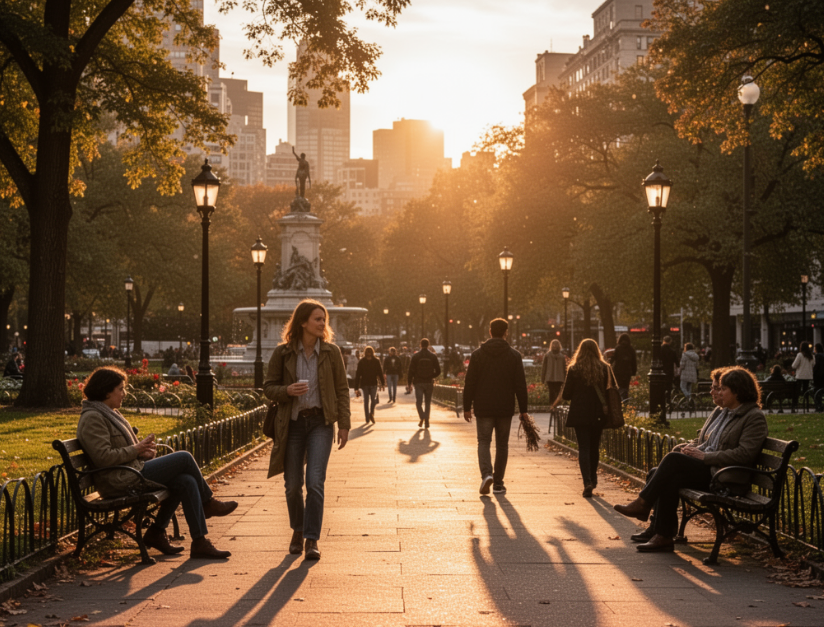
Late afternoon is another good time for walking in old city neighborhoods. As the sun becomes softer and temperatures drop, the streets slowly start to become active again.
During this time, you can:
- Explore markets
- Observe local life
- Enjoy warm evening light
The golden hour lighting also makes old buildings and streets look especially beautiful.
Evening: Lively but Busy
Evening walks can be exciting because the old city becomes lively with lights, food stalls, and crowds.
However, there are some differences compared to morning walks.
Advantages:
- Vibrant atmosphere
- Street food and markets
- Cultural activities
Disadvantages:
- More crowds
- Less peaceful environment
Evening walks are better for experiencing local energy rather than quiet exploration.

Midday: The Least Comfortable Time
Midday is usually the most challenging time to explore old city areas.
Reasons include:
- High temperatures in many cities
- Heavy crowds
- Busy market activity
Walking long distances during this time can become tiring.
Because of this, many experienced travellers avoid midday exploration.
Why Timing Is Important in Old City Areas
Old city areas are usually designed with narrow streets and dense buildings. These environments react strongly to weather and crowd patterns.
Good timing helps travellers:
- Walk comfortably
- Observe details of architecture
- Avoid heavy crowds
Poor timing can reduce the quality of your experience.
Best Travel Strategy for Old City Walks
A smart approach is to divide your day into two walking sessions:
Morning walk: peaceful exploration
Evening walk: lively cultural experience
This way you experience both sides of the old city.
Final Thoughts
Old city areas offer some of the most authentic travel experiences. But to truly enjoy them, timing is important.
Early morning provides calm and clarity, while evening offers energy and activity.
By choosing the right time, you can explore old city streets comfortably and experience their true atmosphere.
Walking slowly through these historic neighborhoods often reveals details that rushed travellers completely miss.
FAQS
The best time is early morning or late afternoon, when the weather is comfortable and the streets are less crowded.
Early morning offers fresh air, fewer crowds, peaceful surroundings, and better lighting for photography.
Yes, evenings are lively and vibrant, with markets, street food, and local activities, but they can be more crowded.
Midday often brings high temperatures, heavy crowds, and busy market activity, making exploration less comfortable.
A comfortable old city walk usually takes 1–2 hours, allowing time to observe architecture and local life.
Travellers should carry comfortable footwear, water, and a camera, as old city areas often involve walking through narrow streets.
Yes, most historic areas are safe during morning and evening hours, especially around tourist attractions and markets.
Old city areas showcase historic architecture, cultural traditions, local markets, and everyday life, offering a deeper understanding of the destination.