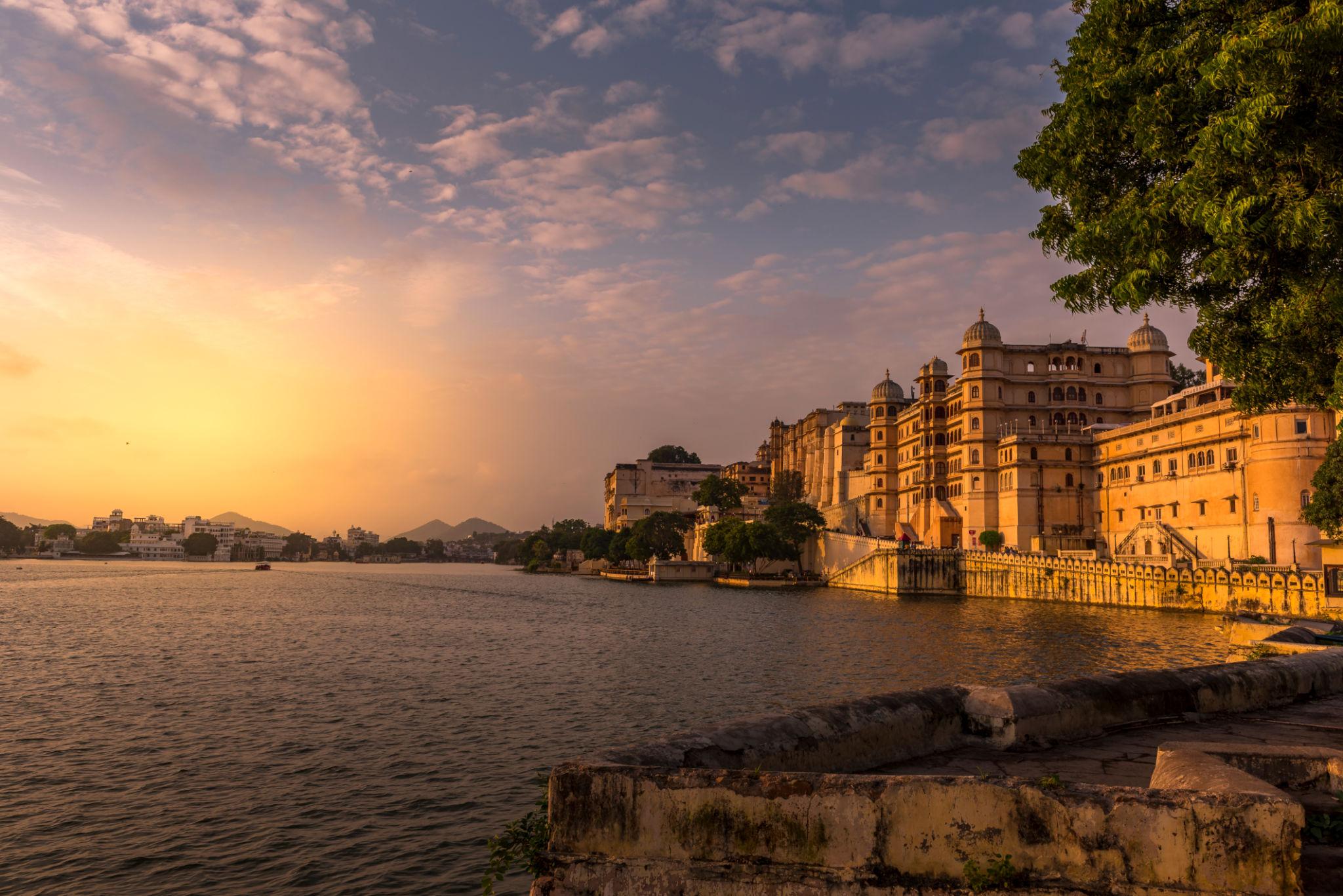
Udaipur is often called the “City of Lakes”, but choosing the right season to visit is not as simple as picking winter and booking tickets. Your experience here depends on three important factors—weather comfort, local festivals, and tourist crowd levels.
If you want peaceful lake views, easier hotel availability and a comfortable sightseeing schedule, this guide will help you decide the best time for your travel style.
Let’s break it down clearly.
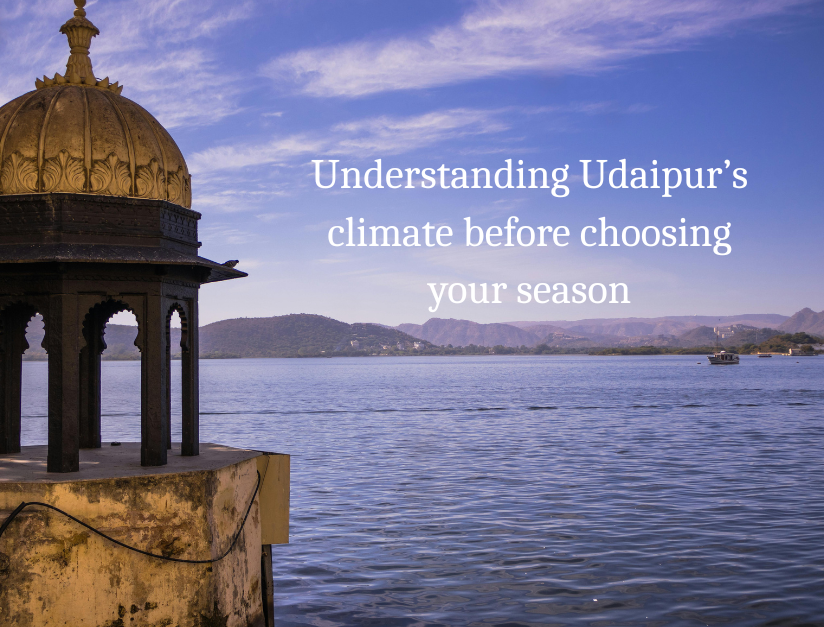
Understanding Udaipur’s climate before choosing your season
Udaipur sits close to the Aravalli range, which gives it slightly milder weather compared to many other cities in Rajasthan. Still, temperatures and humidity change significantly across the year.
The city follows three main travel seasons:
- Winter (October to March)
- Summer (April to June)
- Monsoon (July to September)
Each season offers a very different experience.
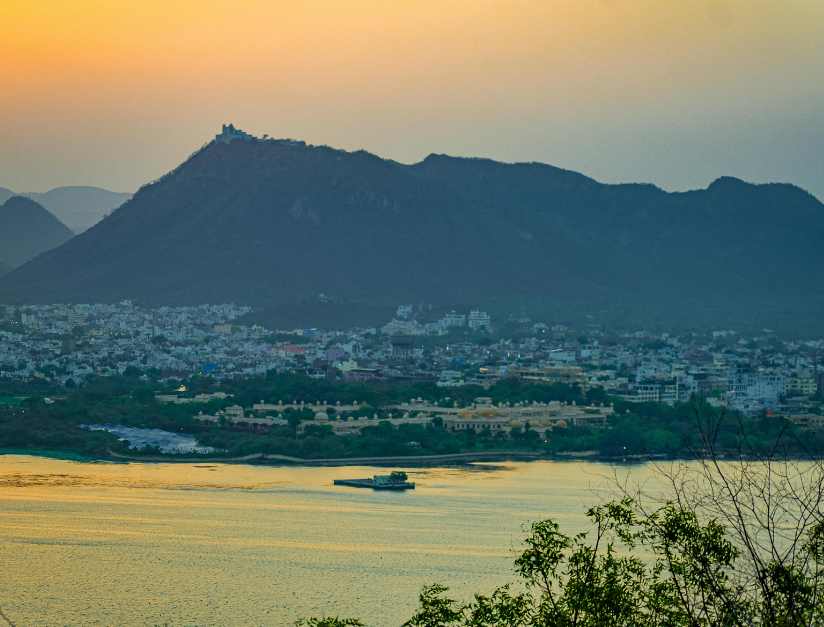
Winter season (October to March): Best overall comfort
Winter is the most popular time to travel to Udaipur—and for good reason.
During these months, the days remain pleasant and the evenings turn cool. You can walk around the old city, explore heritage areas and enjoy boat rides without feeling drained by heat.
Why winter works well for most travellers
- Comfortable sightseeing throughout the day
- Clear skies and good photography light
- Outdoor cafes and rooftop dining feel enjoyable
- Ideal weather for long walking routes in the old town
This period is also when Udaipur becomes very active culturally.
Several local and cultural events are organised in and around the city, bringing traditional music, folk performances and heritage showcases. For travellers interested in local culture, winter gives a richer experience beyond monuments.
Crowd level in winter
This is the busiest season.
Hotels fill faster, especially near lake-facing areas. Popular attractions see steady visitor flow from late morning till sunset.
Winter is best for:
- First-time visitors
- Family trips
- Heritage and photography-focused travel
- Comfortable city exploration
However, if you prefer quiet travel and low footfall, winter may feel slightly crowded during peak weeks.
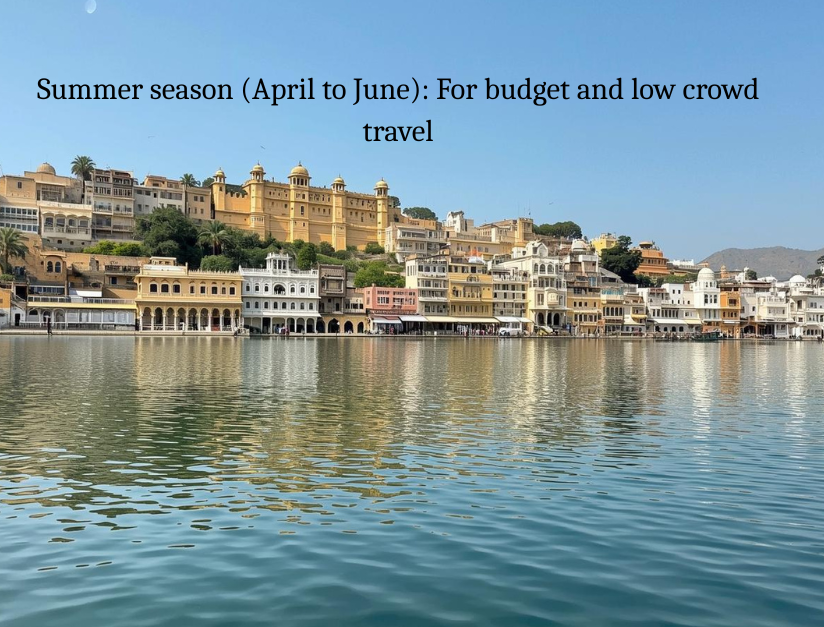
Summer season (April to June): For budget and low crowd travel
Summer in Udaipur is hot, particularly during midday hours. But that does not mean the city becomes untravelable.
Instead, the travel pattern changes.
How summer travel feels
- Early mornings and evenings remain usable for sightseeing
- Midday requires indoor breaks or hotel rest
- Lake-side walks are shorter but still relaxing after sunset
Advantages of visiting in summer
- Lower hotel prices compared to winter
- Easier availability of lake-view rooms
- Less waiting time at popular attractions
- Quieter streets during daytime
Crowds reduce sharply because most leisure travellers avoid peak heat. For solo travellers, slow travellers or content creators who want cleaner shots without heavy footfall, summer offers practical benefits.
Summer is best for:
- Budget travellers
- Digital nomads or slow travellers
- Short relaxed trips rather than tight sightseeing schedules
The key to enjoying summer in Udaipur is planning activities early in the morning and late in the evening.
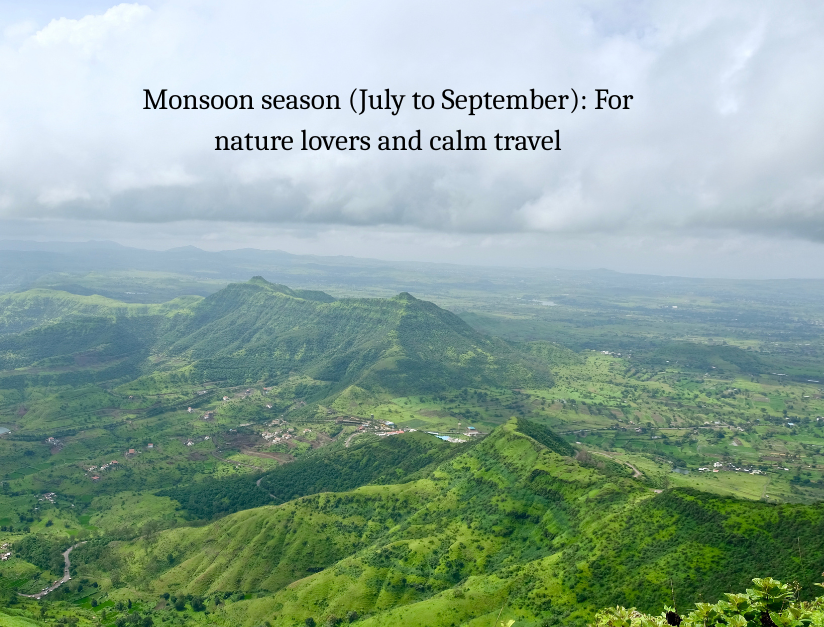
Monsoon season (July to September): For nature lovers and calm travel
Monsoon transforms Udaipur completely.
The surrounding hills turn green, lakes slowly refill and the city feels fresher after months of dry weather. This season often surprises travellers who only associate Rajasthan with dry landscapes.
What changes during monsoon
- Cooler air compared to peak summer
- Cloudy skies and softer sunlight
- Calm boat rides with fewer tourists
- Refreshing lake breeze in the evenings
Rainfall usually comes in short bursts rather than continuous heavy rain. Travel disruptions are uncommon, but outdoor schedules should remain flexible.
Crowd level in monsoon
Tourist numbers drop significantly. You will notice:
- More open space around lakes
- Easier access to viewpoints
- Quieter cafes and heritage streets
Monsoon is best for:
- Couples and slow explorers
- Photographers who enjoy dramatic skies
- Travellers who value peaceful movement over packed itineraries
One limitation is that some rooftop views may be closed temporarily during rainfall, but the overall atmosphere becomes far more relaxed.
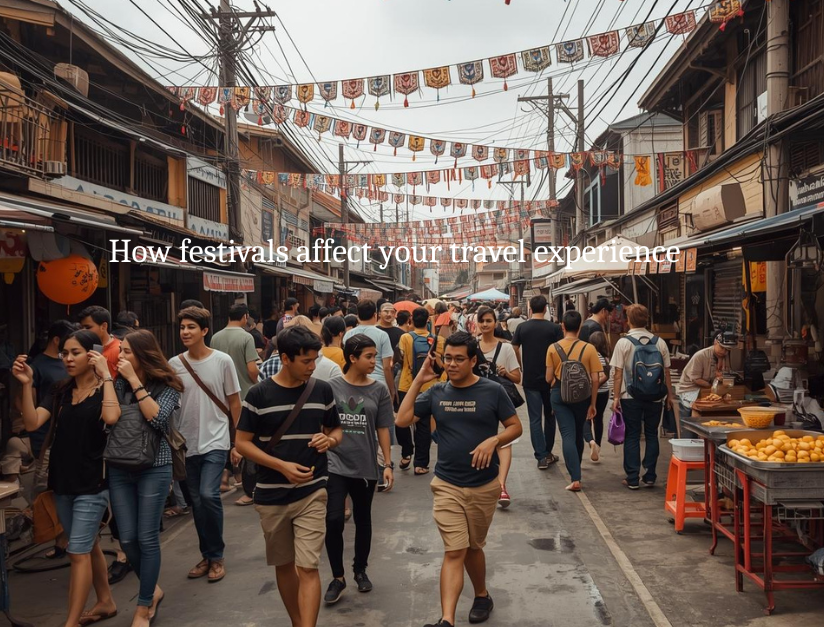
How festivals affect your travel experience
Festivals change both crowd flow and hotel demand in Udaipur.
Cultural events usually take place between late autumn and early spring. During these periods, you will experience:
- Traditional dance and music performances
- Local craft and food stalls
- Increased activity near heritage venues
While festivals add cultural value, they also bring:
- Higher accommodation prices
- Increased local traffic in event zones
- Higher evening footfall
If festivals are important to your travel goals, winter becomes the best window.
If you prefer calm exploration, consider non-festival weeks within monsoon or early summer.
Choosing the right season based on your travel style
Instead of asking “What is the best season for Udaipur?”, ask:
What kind of travel experience do I want?
Choose winter if:
- You want maximum comfort
- You are visiting for the first time
- You plan full-day sightseeing
Choose summer if:
- You prefer lower prices
- You are comfortable planning flexible daily schedules
- You enjoy relaxed, low-pressure travel
Choose monsoon if:
- You want a peaceful atmosphere
- You enjoy scenic landscapes and quiet walks
- You value mood and environment over packed activity lists
Final recommendation
For most travellers, October to February remains the safest and most comfortable travel window. It balances pleasant weather with cultural activity and smooth transportation.
However, if your priority is peaceful travel and visual beauty, monsoon months offer one of the most underrated experiences in Udaipur.
And if budget flexibility matters most, summer becomes a surprisingly practical choice when planned wisely.
The real best season for Udaipur is not fixed—it depends on whether you value comfort, cost, crowd-free exploration or cultural immersion.
By aligning your travel season with your personal priorities, you will experience the city in a way that feels natural rather than rushed.

The most comfortable months are from November to February. During this period, daytime temperatures remain pleasant, evenings are cooler and sightseeing can be done without heat-related fatigue.
The monsoon season (July to September) generally has the lowest crowd levels. Fewer leisure travellers visit during this time, making it suitable for peaceful sightseeing and relaxed travel.
Yes, summer can be a good option for travellers who prefer lower hotel prices and minimal crowd. Sightseeing is best done early in the morning and after sunset due to higher daytime temperatures.
Most cultural and heritage-focused festivals take place between October and March. These months offer a better chance to experience local music, performances and traditional events.
For architectural and lake photography, winter provides clear skies and sharp lighting.
For scenic and landscape photography, monsoon is ideal because of green hills, cloudy skies and softer natural light.