Some places feel “made for daytime”—beaches, viewpoints, parks. But many cities actually shine after sunset. Cooler weather, fewer crowds, illuminated landmarks, and a different local rhythm can make night sightseeing more comfortable and more memorable than daytime travel.
Here’s why some cities are genuinely better to visit at night than day, especially for tourists who want smoother experiences and better photos.
1) Cooler Weather Makes Sightseeing Easier
In many Indian cities (and most warm destinations worldwide), daytime heat can drain your energy fast. Walking through markets, exploring forts, or doing long heritage routes becomes tiring.
At night:
- Temperatures drop
- Walking feels easier
- You can cover more places comfortably
This is a big reason why cities in Rajasthan or North India often feel more enjoyable in the evening.
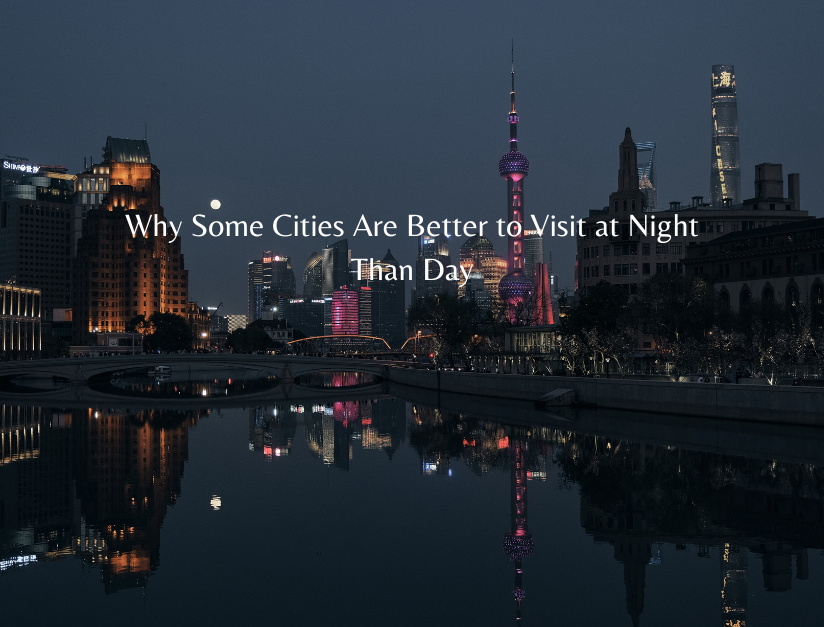
2) Landmarks Look More Dramatic Under Lights
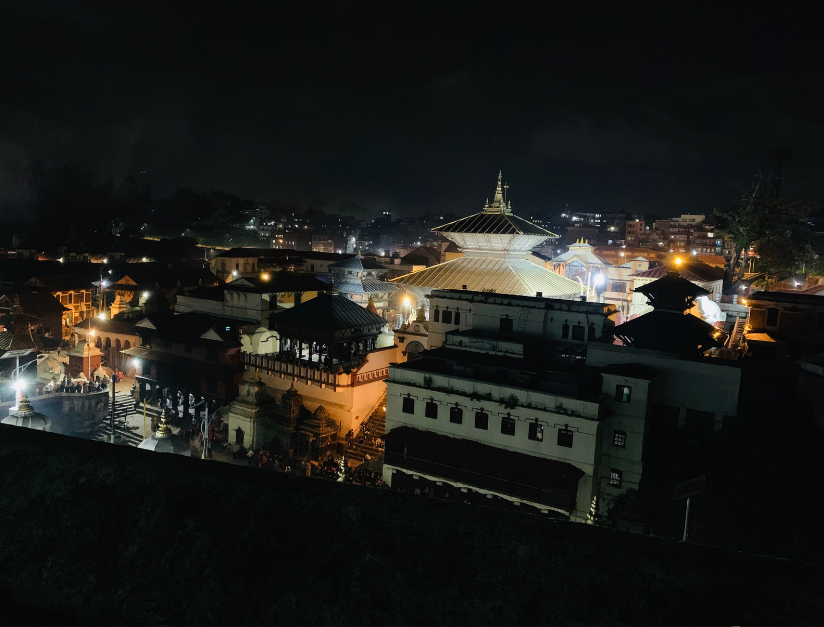
Many famous monuments and city centers are beautifully illuminated at night. Lighting highlights shapes, arches, and details that you may not notice in harsh sunlight.
Night views often feel:
- More cinematic
- More “royal” or “historic”
- Better for photos (if you have steady hands or night mode)
Examples: forts, palaces, government buildings, bridges, and waterfronts.

3) Fewer Crowds, More Peace
Daytime sightseeing is peak time for tour groups, school trips, and large queues. At night, many crowded areas calm down—especially after dinner time.
What changes at night:
- Less noise
- Easier movement
- Shorter waiting outside popular spots
- Better experience for couples and families
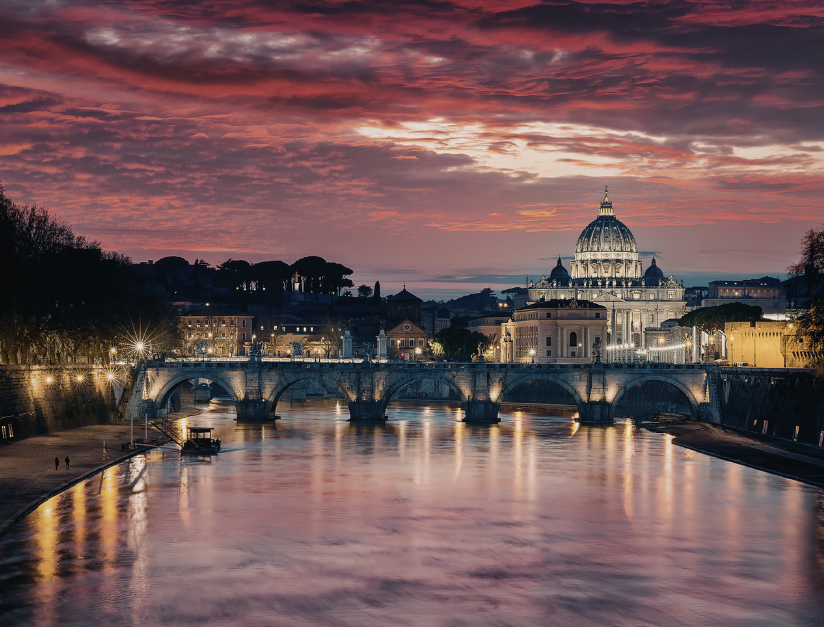
Even if a monument is closed, you can still enjoy it from outside with lighting.
4) Cities Feel More “Alive” After Sunset
In some places, local life starts after sunset. Markets become active, street food stalls open, and promenades fill with families.
Night is often the best time for:
- local street food
- night bazaars
- cultural walks
- city vibe and people-watching
So instead of fighting daytime crowds, you enjoy the city the way locals do.
5) Better for Short Trips and Same-Day Tours
If you’re doing a same-day tour (like Delhi–Agra or Delhi–Jaipur), you often arrive in the evening. Night sightseeing helps you use your time better.
Common wins:
- You don’t “waste” the evening
- You can do night markets + illuminated views
- You can save major monuments for early morning
This makes your itinerary feel complete, even on a tight schedule.
6) Daytime Traffic Can Be Worse
In many cities, daytime traffic is heavier due to office hours and school rush. Night travel often becomes smoother.
At night you get:
- faster transfers
- less honking and congestion
- more relaxed road time
This is especially helpful when you have multiple city stops in one trip.
7) The Mood Changes Completely
Some cities are about atmosphere, not just attractions. Night changes the mood—cool air, lights, music from nearby streets, and calmer energy.
Night sightseeing feels:
- more romantic
- more relaxed
- more immersive
That’s why cities like Jaipur, Udaipur, Mumbai, and Varanasi are often recommended for evening experiences.
When Daytime Is Still Better
Night is not always “better.” Daytime is best for:
- detailed monument exploration (inside visits)
- museums and heritage interiors
- sunrise photography
- places with early closing rules
The smartest travel plan is often:
✅ Day = inside monuments & museums
✅ Night = views, lights, markets, food, walks
Simple Safety Tips for Night Sightseeing
Night travel is enjoyable when it’s planned smartly:
- stay in well-lit, popular areas
- avoid isolated streets late night
- keep valuables minimal
- use trusted transport
- travel with family/group if possible
Final Thoughts
Some cities are better at night because the weather is easier, the crowds reduce, and the city looks more beautiful under lights. You also get a more authentic experience—markets, street food, and the real evening rhythm of the city.
If you plan your day smartly, night sightseeing can become the highlight of your trip.

FAQs – Why Some Cities Are Better to Visit at Night Than Day
1. Why do some cities feel better to visit at night than day?
Because nights are cooler, crowds are smaller, traffic is lighter, and landmarks often look more beautiful when illuminated.
2. Is night sightseeing better for hot-weather destinations?
Yes. In warm cities, night sightseeing is more comfortable because the temperature drops and walking becomes easier.
3. Do monuments look better at night?
Many monuments look more dramatic at night due to lighting that highlights architecture, shapes, and details.
4. Are cities less crowded at night?
Often yes. Tourist spots, markets, and popular areas can feel less crowded after sunset compared to daytime peak hours.
5. Is night sightseeing suitable for families?
Yes, it can be family-friendly if you choose well-lit areas, plan timings properly, and use reliable transport.
6. What kinds of places are best to visit at night?
Night is best for illuminated landmarks, city viewpoints, waterfronts, night markets, street food areas, and evening cultural zones.
7. When is daytime better than night for sightseeing?
Daytime is better for monuments that require entry, museums, detailed architecture viewing, and places with early closing times.
8. Does night travel reduce traffic problems?
In many cities, yes. Night travel can be smoother because office-hour traffic is lower and roads are less congested.
9. Is night sightseeing good for short trips or same-day tours?
Yes. Night sightseeing helps use time efficiently, especially when you arrive in a city in the evening.
10. Is it safe to explore cities at night as a tourist?
It is generally safe in popular tourist areas if you stay alert, avoid isolated places late at night, and use trusted transport.